
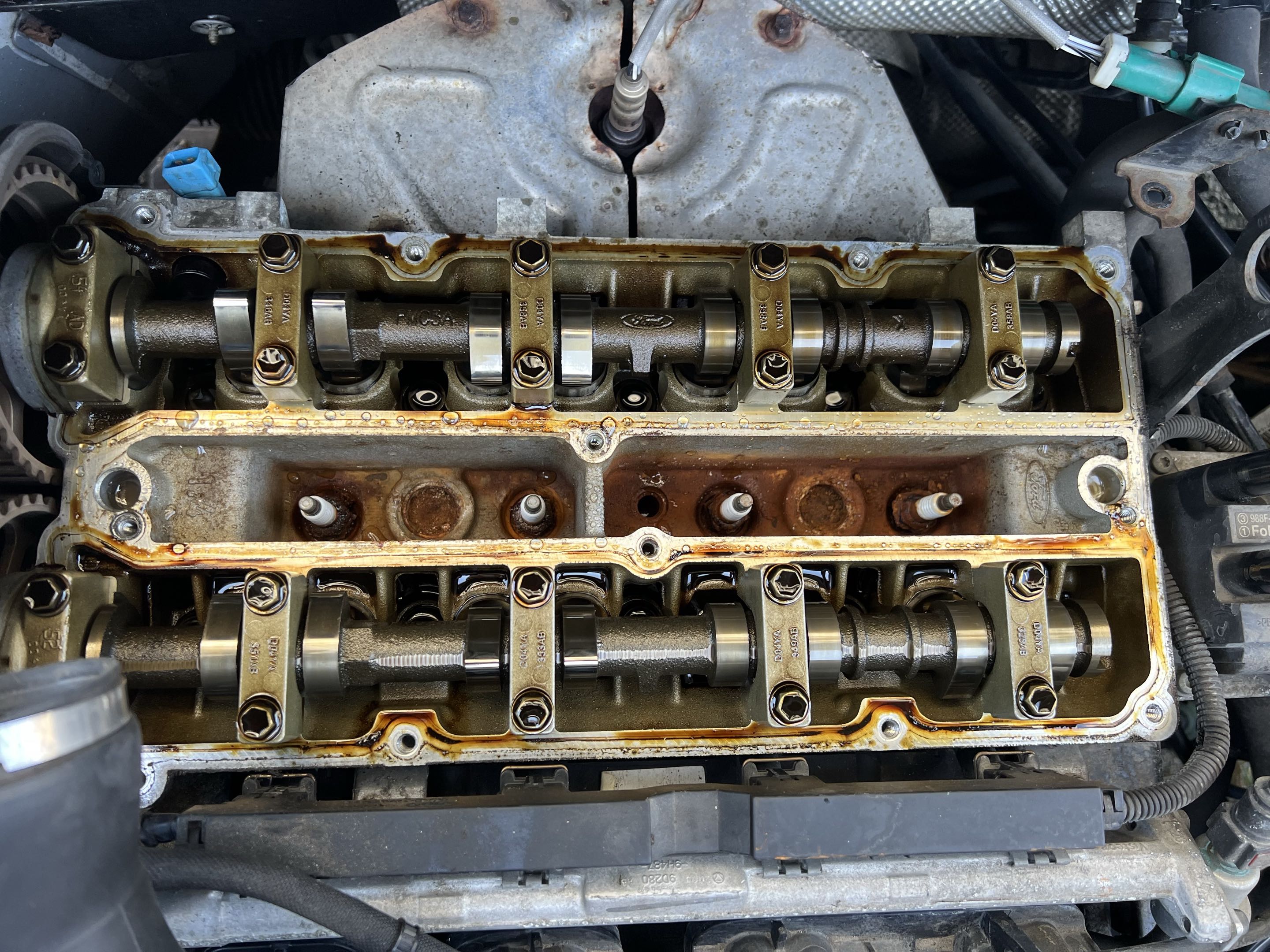
What was happening?
This car was quite cheap for a reason, it was misfiring pretty bad and had an engine light on. I knew this when I agreed to purchase the vehicle for the price of £150. I thought to myself, at least if I can’t fix it I could get most of that money back from the scrap yard.
The mechanic that I use - John at Castle Car Care in Uppingham - already had an idea as to what the problem was. He believed that the core plugs in the head had corroded and they were letting water into the spark plugs. A cheap fix, but the time it takes to do it meant that the previous owner didn’t want to take the gamble as it was going to cost more than what the car was worth. So, that is when it became my problem!
I managed to limp the car home and ordered all of the stuff I needed to get the car going again:
- New core plugs from Amazon
- Oil - Triple QX Fully Syn Ford M2C 913D 5W-30 Engine Oil 5L
- Oil Filter - Bosch Oil Filter
- Air Filter - Bosch Air Filter
- Cabin Filter - Bosch Cabin Filter
- Fuel Filter - Bosch Fuel Filter
- Ignition Leads - Bosch Ignition Lead
- Rocker Cover Gasket - Elring Rocker Cover Gasket
- Spark Plugs - Denso Spark Plug
- Coolant - MPM Coolant Premium Longlife -40°C G12+ Ready to Use Clear / Blank 5L
- Sump Plug - Optimal Sump Plug
- Loctite 5922 Flange Sealant 60ml
The total cost for parts was £219.63 - meaning I was all in £369.63
Extracting the core plugs
Getting to the core plugs was quite easy, all that we needed to do was remove the air box and remove the rocker cover. This required a few different tools such as spanners and a ratchet, but it was quite simple.
This was the first time I had ever done any work to an engine (apart from an oil and filter change) so I was a bit nervous to start playing around with this stuff. However, I did have my dad to help me who has worked on cars a lot previously - although not a mechanic by trade. We watched a couple of videos on YouTube of someone extracting the core plugs by hitting the lip with a screwdriver to rotate them around in the hole so they could be grabbed by some pliers and pulled out. However, for us it wasn’t that simple (nothing ever is!).
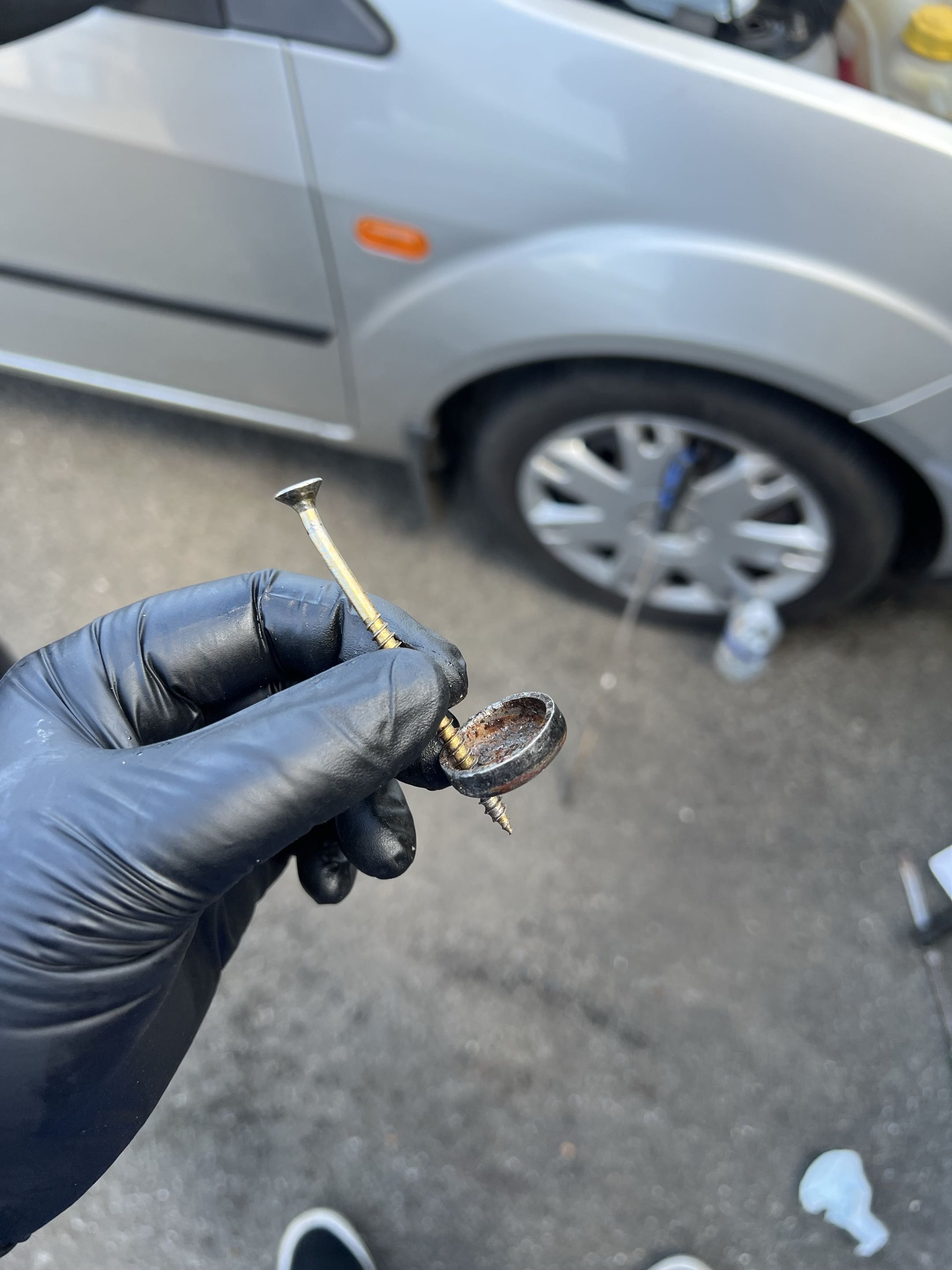
We ended up knocking the core plug downwards instead of rotating it which immediately sent us into panic stations. This is where we made a bit of an unorthodox choice - we decided to put a screw in the core plug so that if it fell down we could still grab it. This was great at first as it gave us a bit more confidence to start tapping the core plug again. We did end up pushing the core plug all the way though the hole which was not ideal… This led us on a 1 hour journey of prying and trying to get the core plug back into the hole flipped so we could extract it with some needle nose pliers. We did manage to get there eventually, but not without a lot of struggle, worry, and a lot of swearing at the engine. That was one down, and one more to go…
After our battle with the first core plug, we decided to go with the screw method once again on the second core plug, but this time before we started tapping it. This time though, we used a hammer to pry on the screw to try and pull it out from the top. This resulted in a first for me; a hammer that just snapped in half… So after that failure, we went back to the screwdriver method. This time it went well as the core plug spun in place and we were able to extract it within 5 minutes. A good high-five was had after that small win.
Here was what our screw method looked like:
Putting everything back together
After the success of removing the core plugs, we had to now go the other way and fit the new ones. The method for doing this was to add the tiniest bit of Loctite 5922 around the surface of the core plugs to make sure they had a good seal against the head. I know this isn’t strictly needed as they are press fit parts, but I wanted to make sure it was going to seal as I was not going to be taking them out again any time soon. Once the Loctite 5922 was applied, we used a socket the same size as the plug and slowly tapped it into place with a hammer until it was flush.
Then we had to fit the new rocker cover gasket. I added a bit of oil to the side of the gasket that was going to be sitting on the head and placed it on with not too much hassle. Once it was on we bolted everything down and proceeded to remove the old spark plugs and fit the new ones. We then changed over the ignition leads while we were in the engine bay.
The moment of truth - did we fix the running issues?
I jumped in the car after buttoning up the last bits and turned the key. The engine took a little while to fire into life, but when it started up it was running perfectly! No more misfires or stuttering. We had done it!
I went for my first proper drive in the car and it brought a massive smile to my face knowing that we had saved this car from the scrap yard.